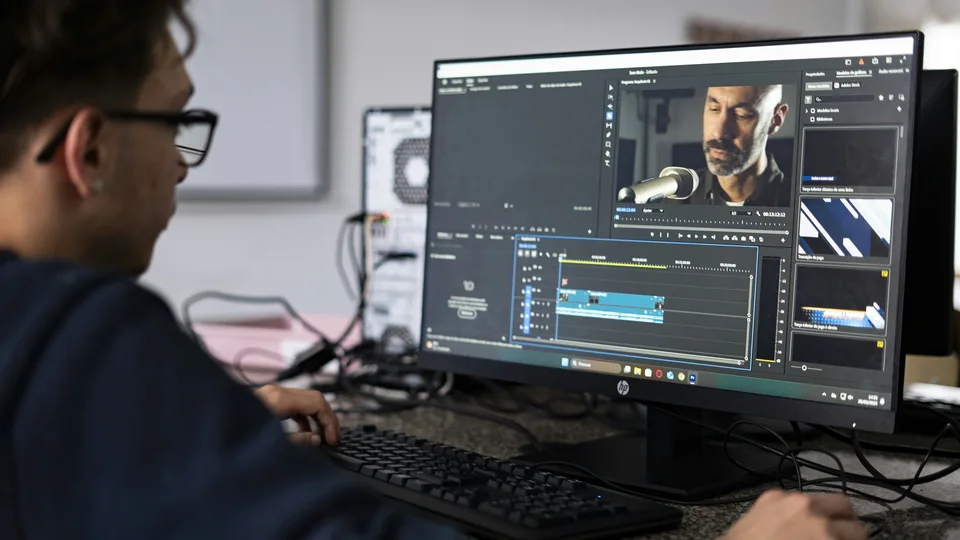
Watching your own gameplay can become another way to repeat a frustrating result. A focused review gives the clip a purpose. Use a recording or replay you are permitted to make, and pick one short sequence with a decision you want to understand.
Choose the decision, not only the result
Find a moment just before you committed to a fight, route or objective. The elimination or win at the end is useful context, but it does not explain what made the decision reasonable at the time.
Keep the first review to one sequence. A match may contain many mistakes, and listing every one can leave you with no clear next step. Ten attentive minutes on a single decision are easier to act on than a long catalogue of errors.
Pause before new information arrives
Stop the clip before the outcome becomes obvious. Ask what you could see, hear or infer from your team’s information. Identify your resources, available cover and likely next action. Keep knowledge learned later out of this first assessment.
Write a factual description such as “I crossed before checking the left entrance.” Avoid a label such as “I am terrible at positioning.” The first statement points to a change; the second does not tell you what to practise.
Compare two realistic alternatives
Name the action you chose and one alternative that was actually available. Could you have waited, asked for information or moved to nearby cover? Do not invent an option that required information you did not have.
Play the clip forward and see how the situation developed. A good decision can still fail, and a poor decision can occasionally succeed. Judge whether the action made sense with the information available rather than using the result as the only measure.
Turn the review into a cue
Choose a short reminder for the next session. “Check the entrance before crossing” or “confirm the group is ready” is more useful than “play better.” Practise noticing the relevant situation, then apply the action when it appears.
Use a note with four lines: situation, information, chosen action and next cue. After a few sessions, check whether the same situation is becoming easier to handle. Keep successful decisions in the notes too, so you understand what to repeat.
Before sharing clips publicly, check that they do not expose private chat or account details. A private review can provide the same learning value. The aim is to build a small set of dependable habits, not a highlight reel or a reason to blame teammates.